How to verify AI-generated information
A step-by-step method for checking facts, sources and figures produced by AI chatbots before you rely on them.
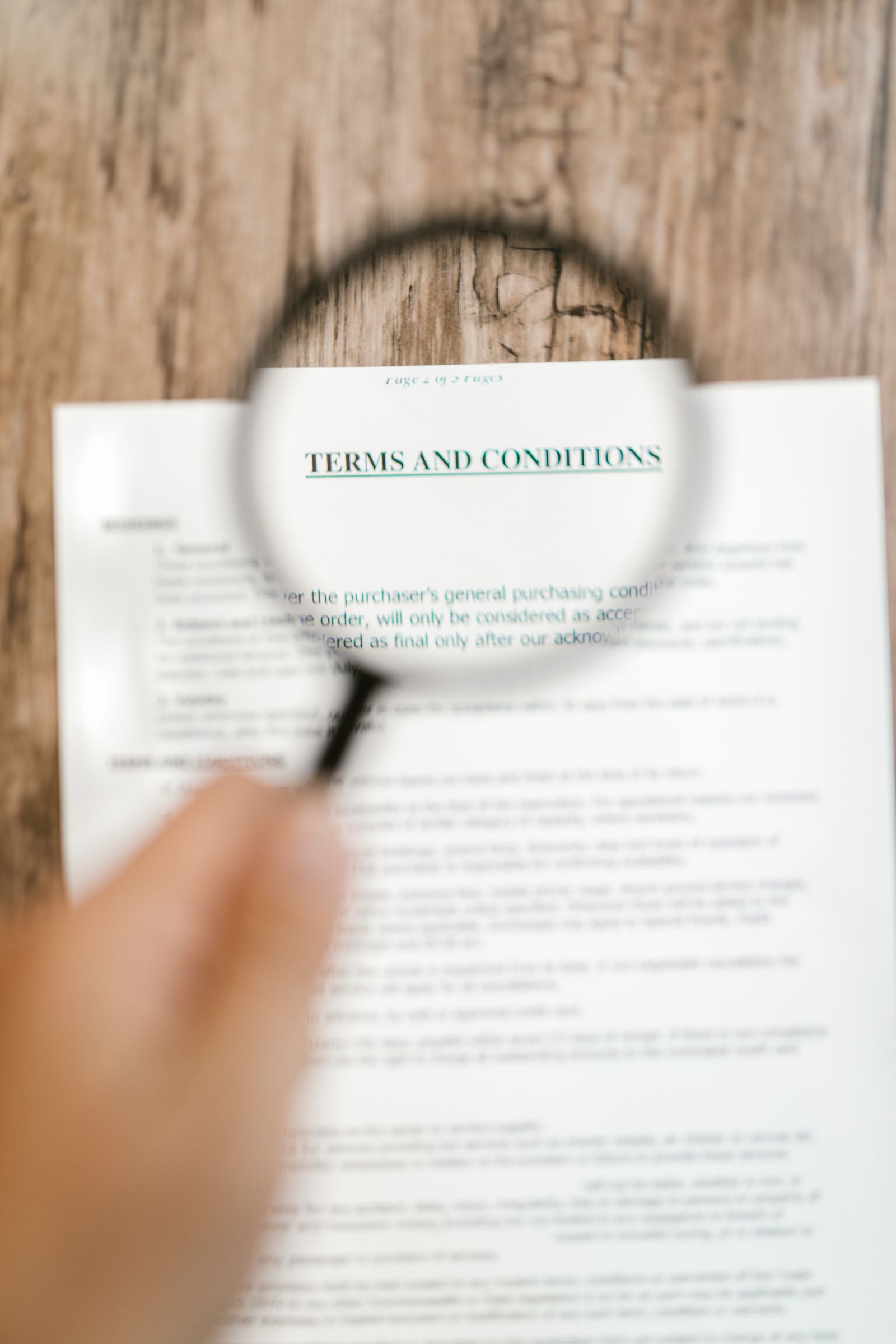
AI chatbots are useful for explaining ideas and summarising text, but they can produce statements that are wrong while sounding certain. This is a known limitation of how language models generate text, often called "hallucination". Here is a practical method for checking what they tell you.
Decide how much checking is needed
Not every answer needs the same effort. A suggested title for a birthday card needs none. Anything involving health, money, law, safety, or facts you plan to publish needs careful verification. Recommendation: the higher the cost of being wrong, the more independent sources you should confirm.
Break the answer into claims
Pick out the specific statements that matter: names, dates, numbers, quotes, and cause-and-effect claims. Checking one claim at a time is far easier than judging a whole paragraph.
Check every source it mentions
If the AI cites a study, article or law, look it up yourself. Confirm that it exists, that it says what the AI claims, and that it is current. Invented or misattributed references are a common failure, so never pass on a citation you have not opened.
Go to primary and reputable sources
Prefer the original source: an official government page, the organisation that published the data, the manufacturer's documentation, or a well-established reference work or news outlet. Search for the claim directly rather than asking the same AI to confirm it, because it may simply repeat the error.
Look for agreement and dates
Reliable facts are usually confirmed by several independent, reputable sources. Check publication dates too: an AI may give information that was true once but has since changed, such as prices, software features or rules.
Be careful with images, audio and video
Generated media can look authentic. Look for the original publisher, check whether reputable outlets have reported the same thing, and use reverse image search to find where a picture first appeared.
Ask the AI to show its uncertainty
You can ask a chatbot to list the assumptions it made or to identify which parts of its answer are least certain. This does not make the answer reliable, but it can point you to what needs checking first.
The short version
Identify the important claims, open every cited source, confirm with primary or reputable sources, check dates, and do not publish or act on anything you could not verify.
Photo: RDNE Stock project on Pexels (https://www.pexels.com/photo/person-holding-a-magnifying-glass-above-a-document-7821573/)